

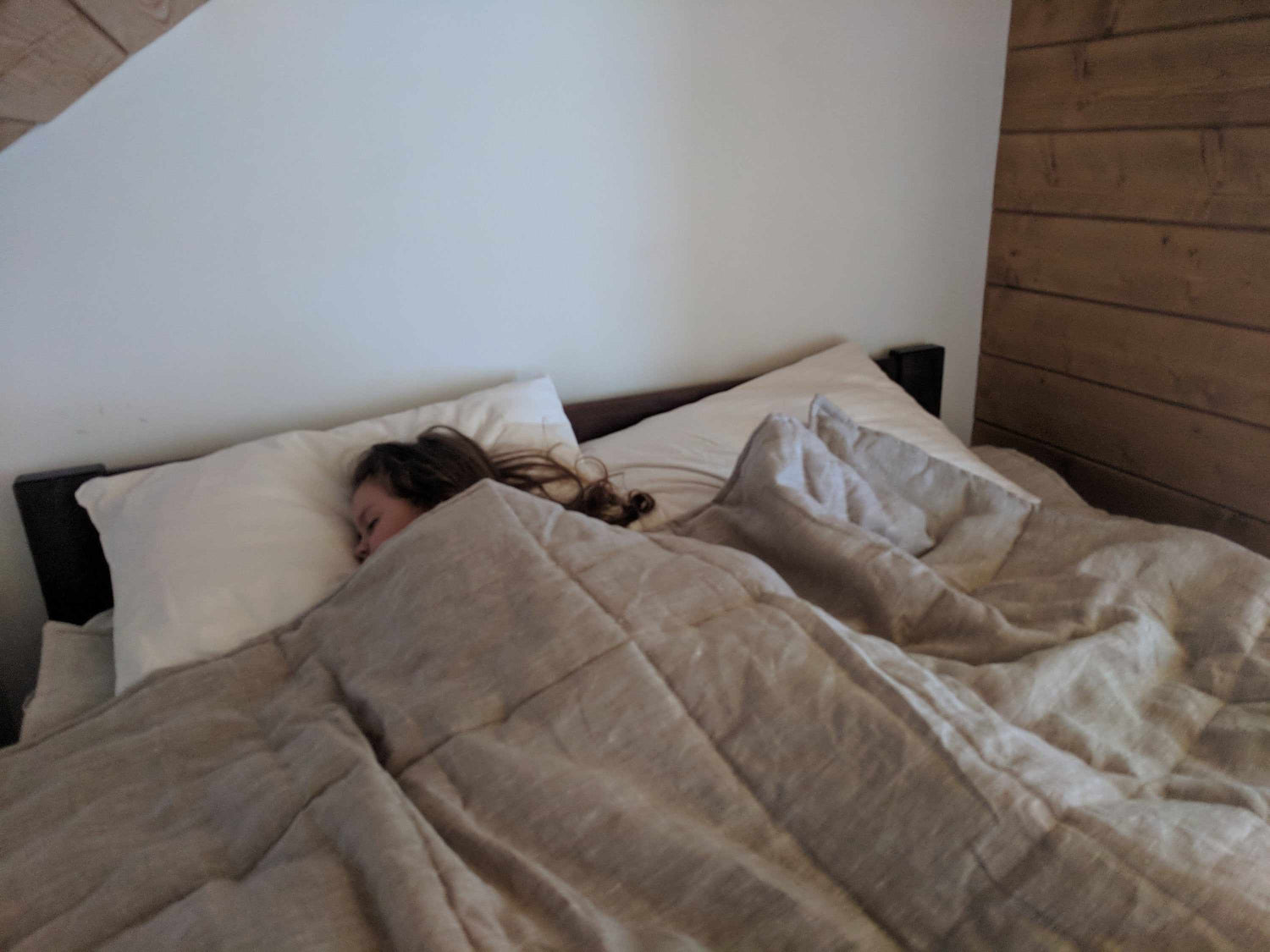
Selecting good-quality, sanitary bedding is one of the crucial components of creating a healthy sleep zone. The quality of the fibres, the maintenance of the bedding, or even how much it is used will all impact the durability of the bed. Homeowners have been asking themselves: how often does hemp bedding need to be changed? It will be based on the care and maintenance of the fabric, condition of the fabric, and cleanliness of the bedding, not on a set time period.
How Long Does Hemp Bedding Usually Last?
Hemp's strength of fiber is among its major benefits. While many traditional fabrics will wear out over the years, hemp fibers do not stretch, rub down, or get damaged by repeated laundering and can last a long time without breaking down. The answer to how long does hemp bedding last depends on how much it's used and how it's maintained.
The length of your life depends on several things:
- Washing frequency.
- Water temperature.
- Type of detergent.
- Drying method.
- Wear and usage associated with daily life and activities.
To prevent unnecessary replacements and maintain a comfortable and durable product, follow the manufacturer's care instructions. Bedding materials don't last a lifetime, but hemp is prized for retaining its shape over the years with frequent usage. Hemp fibers' naturally dense cell structure makes them highly durable. That's why hemp fabrics last longer than other fabrics that weaken over time.
How Often Should You Replace Hemp Bedding?
It's not the need to change the bedding regularly, but it's the evaluation of the overall situation. A quality hemp fabric can last a long time and retain its comfort and support.
There are some signs that you might need to replace it:
- Noticeably thinning fabric.
- Inky stains that won't come out are permanent.
- Seam with wear or damage.
- Distortion of form and detailing.
- Reduced sleeping comfort.
If properly cared for, high-quality hemp bedding can last a long time before it needs to be replaced. Checking bedding every couple of months is another helpful way to check for wear, as opposed to waiting for it to become apparent. Minor tears or a few stitches can sometimes be salvaged before major issues arise.
How Often Should You Wash Hemp Bedding?
It is important that bedding is dry and clean, both for comfort and good health. This schedule is determined by individual lifestyle, weather, allergies, outdoor animals, and seasonal occurrences.
General recommendations include:
- Pillowcases: every 3–7 days.
- Sheets: every 1–2 weeks.
- Duvet covers: every 2-4 weeks.
Actually, there's no set rule on how often to wash bedding since it varies from person to person. Heavier sweaters, allergy sufferers, or those who wish to live with their pets should wash more frequently. Similarly, knowing how often to wash sheets helps maintain a fresh ambient condition and avoid the build-up of body products such as oils, allergens, and skin cells.
Why Hemp Bedding Is Easier to Maintain
Another advantage of hemp is its moisture-controlling and breathable quality, which helps fabrics to dry faster after use and washing. Additionally, hemp is more resistant to "clingy" odors than many synthetic fabrics when properly taken care of. Due to the natural properties of these fibres, hemp is also talked about as natural antimicrobial bedding, but this is not complete protection from microorganisms.
These are the recommended hemp bedding care:
- Use a gentle and delicate cycle to wash.
- Use mild, non-aggressive detergents.
- Avoid chemical softeners or bleach with chlorine.
- Dry in the air if possible or tumble dry on the lowest heat setting.
- Store bedding in a dry and airy place.
When it comes to sustainable household goods, Hemp Organic products may encompass bedding geared toward preserving these natural features in the long haul. One benefit is that hemp fibres get softer over time rather than brittle. Properly washed fabric keeps its colour, texture, and softness.
Hemp Bedding vs Cotton and Other Materials: Which Lasts Longer?
While each fabric has its own set of pros and cons, the following details will help you determine which one is right for you and your lifestyle.
Comparison with normal cotton:
- Overall, hemp fibers tend to be more abrasion-resistant.
- Some of the cotton feels softer in the beginning, but can become worn out with repeated laundering.
- Gradual softening of hemp without losing much strength.
Compared with linen:
- Both clothing materials are extremely breathable.
- For most applications, hemp is found to be very durable.
- Linen eventually becomes soft and needs the same sort of care.
Consumers who value these properties and can easily cultivate hemp are choosing hemp for its remarkable durability, breathability, and eco-friendliness. Contrast this with the options available when a person is looking for an alternative to traditional natural fibers for their bedding and is searching for something durable that can be cared for in a relatively simple manner. Hemp bedding is frequently used alongside other hemp items like hemp accessories to make other rooms around the house more eco-friendly with hemp fibers.
How to Extend the Lifespan of Hemp Bedding
Easily doable maintenance procedures will make a lot of difference in the longevity of natural bedding.
To achieve the best long-term performance:
- Follow the manufacturer's instructions for washing.
- Change between 2 or more sets of bedding.
- Don't wash or dry too long or at too high a temperature.
- Keep bedding out of water and out of direct sunlight.
- Fix loose stitching in time before it becomes more serious.
The little things add up. Clothes are best stored by color, washing machines shouldn't be packed too full, and don't put clothes away until they are completely dry to limit unnecessary stress on the fiber. These easy tips help maintain the fabric's surface and ensure comfort over many consecutive uses. The same guidelines for hemp pet bedding are applied when it comes to maintaining its strength.
Conclusion
So, how often does hemp bedding need to be changed? There's no set sequence. The replacement criterion is based on fabric condition, usage, and maintenance rather than frequency. With some basic care and attention, such as washing, treating, and storing, hemp bedding can provide many years of use without compromising its comfort, durability, or cleanliness. To sum up, hemp products are a practical, durable, breathable, and eco-friendly option for homeowners on the lookout for enduring bedding options!


Leave a comment
This site is protected by hCaptcha and the hCaptcha Privacy Policy and Terms of Service apply.