

Fall camping can mean mild afternoons and cool nights, which can get close to freezing temperatures — pick your gear based on what you expect for the nights and not the afternoons. Plant-based fibres are becoming popular for cold weather sleeping bags and sleeping bags and can be used as a viable substitute for the traditional synthetic sleeping bag design for van/lifers and tent campers. It details how sleeping bags conserve heat, construction features that are important, and the occasions when a handmade hemp-filled bag is worth using for fall trips.
Do Sleeping Bags Actually Radiate Heat Back?
No. The sleeping bag does not generate heat, nor does it actively radiate warmth back to the body. Instead, it prevents your body from cooling down as readily by retaining 'relatively still air' around your body. A bag filled with air conducts heat poorly, which is why the air inside a filling in a bag helps to inhibit heat transfer. Its effectiveness is related to the ability of the bag to retain air, the quality of the bag, and whether the trapped air remains dry.
Three processes impact warmth:
- Conduction: Transfer of heat from your body to colder surfaces, particularly the ground below you.
- Convection: Heat is transferred by the movement of air. An opening or zipper that lets in drafts can make a bag feel colder.
- Infrared radiation: Your body radiates infrared energy towards an adjacent surface. The insulating layers are used to minimise overall heat loss; they do not generate heat.
A sleeping bag is best when used in conjunction with an entire sleep system. A properly insulated bag can still feel cold when it is used to store a cooler on cold ground, if you are lying on wet clothing or if the gaps around the neck and shoulders are not filled.
What Makes Sleeping Bags Retain Heat

Before simply taking a look at the label, you need to understand how sleeping bags retaining heat technology works. Bags will vary in how well they retain insulating air, depending on several factors.
The thickness of the fill and the loft are important, as the filling provides space for still air. Good design will also minimise heat loss through draft tubes that are zipped shut and through gaps that are filled with insulation.
Fit makes a difference, too. If the bag is too tight, it may compress insulation, and if it is too loose, it can allow more air for the body to heat up. Select a shape that will allow for adequate movement, but not leave too much space. Moisture Management is also critical. Ventilation, dry layers, and protection from rain, as well as damp insulation and wet clothing reducing comfort, are all important during a trip.
There are various strengths of natural and synthetic fillings. Synthetic insulation can dry off fairly rapidly and is used extensively in technical outdoor equipment. Natural fillings are not uniform in density, loft, and moisture response, and therefore processing and construction are critical to their function.
Hemp fiber is a naturally occurring substance with a porous structure that can trap air in a filling. Its performance in finished bags depends on the preparation of the fiber, the level of filling, and the methods used for layering. This construction can be completed with a breathable Linen shell, but neither material guarantees any specific temperature rating.
What Fall Trips Actually Need

Fall can be a rapidly changing season. The campsite you have at lunchtime may become cold and damp at night, especially in exposed areas or high elevation sites. Make sure to have equipment suitable for the coldest temperatures you reasonably might encounter on the trip.
The purpose of a coldest weather sleeping bag designed for sub-zero alpine use is different from sleeping bags intended for mild autumn camping. For extreme cold, technical bags have a tendency to feature specialized insulation, a tight fit, and minimized weight to suit the specific environment. The features might not be necessary for a sheltered site or a camper van.
Follow this handy checklist when selecting your setup:
- Refer to the overnight forecasts and take local conditions and potential temperature fluctuations into consideration.
- Look at the temperature rating listed on the bag and the environment you will be using in.
- Use a well-insulated sleeping pad to minimise the colossal flow of heat into the ground.
- Bring dry bottom layers and an additional insulating layer for cold nights.
Technical sleeping bags have temperature ratings that are based on recognized standardized tests like the applicable ISO 23537 test. A handmade SF bag does not automatically qualify as certified unless the maker specifically states if it is, or it isn't.
A Hemp Sleeping Bag for Cool Nights

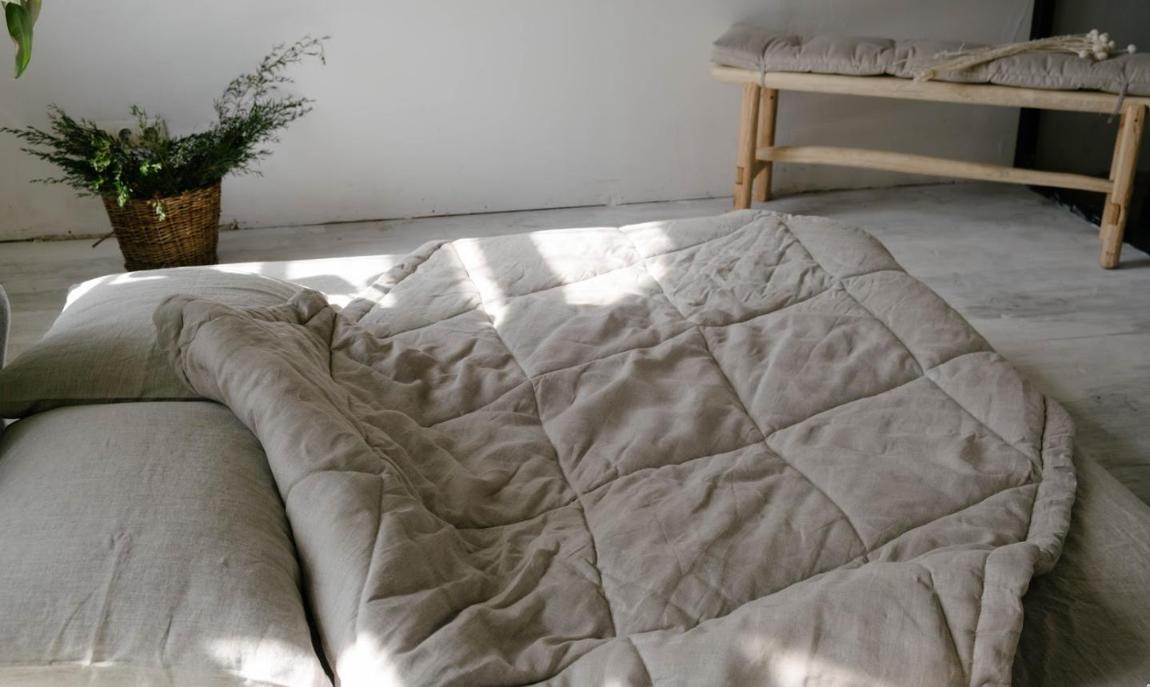
A handmade hemp filled and filled bag makes an alternative to outdoor sleeping. Two layers of 400 g/m2 of organic hemp fiber are used for insulation, and the thick sleeping bag has two sides, each with a washed linen fabric. The listed size is 31.5 × 75 inches (80 × 190 cm), and custom sizing is available.
The filling material is large, providing a naturally soft sleeping surface, and the linen shell is a natural finish to the fabric. It could be a camper's favourite because it's made mostly from natural materials and heavier in load when sleeping. If you're interested in sleeping bags, learn more about the thick hemp sleeping bag and its sizing options.
This style might apply to several contexts:
- Sheltered tent camping and camper vans.
- Indoor beds for guests/ beds for situations and seasons.
- Campsites where packed weight is not as much of a concern
- Unzip and use as a large camping quilt or blanket.
The crucial compromise is on weight and volume. It's a natural and heavy sleeping bag for cool-weather sleeping and layering, not a proven ultralight mountaineering bag for harsh weather. Please read the product details and plan further insulation based on the weather.
Building a Warm Fall Sleep System

The sleeping bag is just one of the elements of a comfortable night's sleep. Begin at ground level, where heat loss through conduction may be more of a factor. Look for a sleeping pad that has the right R-value (resistance to heat flow). In colder temps, apply more ground insulation. Any filling material will benefit your comfort if a proper pad is used.
Then, put on clean, dry layers underneath. Use socks and a beanie to keep warm in colder weather, and adjustable materials to adapt to varying environments. Never fall asleep in wet bed clothes. You can explore hemp sleeping bags selection and a hemp blanket as an added layer. Be flexible, add layers to the layer forecast, ventilate as necessary, and prevent all bedding from getting wet and damp.
How to Care for a Hemp Sleeping Bag
Be sure to follow the manufacturer's instructions before washing a hemp sleeping bag:
- Machine wash on the delicate cold cycle with no more than 30°C or hand wash with a soft and eco-friendly liquid detergent if the care instructions on the product allow.
- Wash, air-dry flat, and let the filling dry. Never tumble dry — unless there is specific manufacturer confirmation for the construction.
- Keep the bag undisturbed, preferably in a well-ventilated cotton storage sack. Use compression bags for traveling, not long-term storage, as long-term compression may cause structural changes.
- Just before packing it up, make sure that the bag is dry. Keep it in a clean, dry location out of constant moisture.
FAQ
- Is it possible to camp with a hemp sleeping bag?
Yes, as per design and conditions. A heavy-duty hemp stuffed backpack will work for campsites with cover, camper vans, or only inclement weather, but even then, you should make sure it's rated for the low temps.
- Does it necessarily mean a thicker sleeping bag is warmer?
Not necessarily. It's not just the thickness. It's a combination of insulation quality, trapped air, fit, moisture, and construction that contributes to warmth.
- Do you offer any custom sizes?
The featured product lists custom sizing as an option. Please check with the seller to confirm any customisation needs and dimensions.
- How to wash a hemp sleeping bag?
Follow the instructions on the care label of the product. With approval, wash with a light cold wash or hand wash, air dry thoroughly, and store.
So, there are three major elements to keeping warm outside: trapped air, water management, and body insulation. Research what kinds of cold weather sleeping bags are available and determine what bag is suitable for the sleeping temperature and clothing that it'll fit into.
If you prefer natural materials and a more substantial, breathable feeling sleeping bag, a thick hemp-filling may be a helpful item to add to your sleeping bag in the fall. It is best applied in a climate suitable for its type and design, and not in extreme weather (unless there are specific data for it). Look through the product information and talk to the manufacturer about custom sizing for your next fall adventure!


Leave a comment
This site is protected by hCaptcha and the hCaptcha Privacy Policy and Terms of Service apply.